 University of North Texas

Computer Science
Rippetzar (Visual Programming Environment)
Team Members
Isaias Delgado
Cole Dapprich
Brashad Hasley
Zachary Martin
Keyur Patel
Sponsor
Stephanie Ludi
Abstract
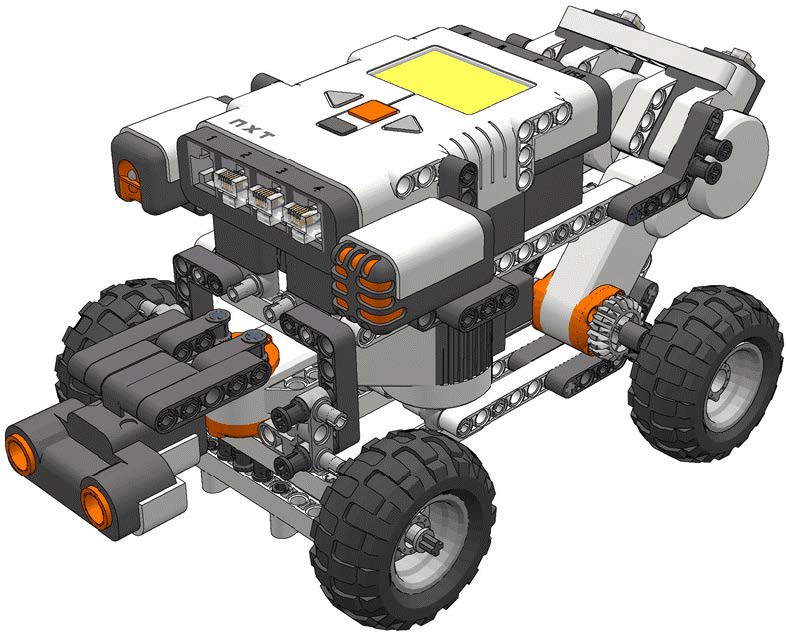
The purpose of this project is to combine an existing open-source visual programming paradigm, PencilCode, with support for the programming language Not Exactly C (NXC) and the hardware and software contained in Lego Mindstorms NXT robots. This will allow users, primarily children and adolescents, to program the robots using the PencilCode interface. Additionally, the system provides screen-reading capabilities to easily accommodate visually impaired users.
Homing Device (Front-end UI)
Team Members
Zach Poycattle
Miguel Martinez
Grant Miller
Colton Wood
Sponsor
Melinda Levin
Abstract
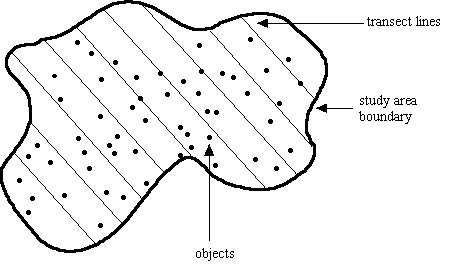
We created a front-end website for a prototype social network referred to as Homing Device. The website will display a map of transects which are specific areas that a user controls (referred to as Homer). Descriptive data in the form of video, audio, pictures, etc. can be uploaded by Homer to characterize multiple points within a transect. The data will be pulled from the back-end Homing Device database(s) and collected via API calls (see description of the Back-end project below). The website can be used by Homers, which are the users that produce content for the website, as well as regular users who view contents produced by the Homers, but do not produce content for the website.
The point of the Homing Device concept is to allow a user, over a specified time period (normally one calendar year), to tell their story of a physical place on earth, through time (historical content), current day observation/interviews/documentation, cultural analysis, personal narrative and citizen-driven data, including hard data archival information. The goal is to tell and archive a complicated tale of a place through multilayered narratives, images, audio, and text. The site exists not just as an archival repository, but also serves to create a sense of agency and to make a bridge between nature s drama and humans.
Lyst: Recipe
Team Members
Tristan Dang
Cassiee Latshaw
Eddy Rodriguez
Dilip Shah
Sponsor
David Struble
Abstract
This project is a web-based recipe system where users may enter a list of ingredients that they have available and will be given a list of recipes they could make with those ingredients. The user will select from abridged lists of ingredients to avoid validating user entry, and will be subject to several criteria such as food groups (meat, grain, vegetable, fruit, dairy), meal type (breakfast, lunch, dinner, appetizer, dessert), and required preparation time. The system is predicated on the concept of being a social network in that its content is heavily user-based. Recipes will initially be sourced by developers to ensure trusted content, but will eventually be more self-regulating by its users as the consumer base grows. This is done by allowing users to submit their own recipes as well as comment and rate existing ones. Recipes entered by developers from known sources (such as Food Network, allrecipes.com, or McCormick) will be marked as trusted, and user submissions will require a certain number of positive ratings to be marked as trusted in order to ensure a certain level of quality.
Geosocial System (Back-end)
Team Members
Blues Henderson
Josh Allen
Jared Anderson
Mindy Nguyen
Sponsor
Melinda Levin
Abstract
This is a companion project to the Geosocial System Front-end and implements the database functionality of the Geosocial System web application, a social media and research tool to help users tell the story of a location through varied types of media, and introduce new users to an area through the stories of Homers. Users will be able to browse data points via a map that will automatically populate itself with transects that Homers will create and populate with data they find interesting about their area of interest. Search criteria and granularity are filtered through an engaging front-end interface and supported by our back-end data management techniques. We use the google maps API for our map-related data requirements.