- MahdiPedramAssistant ProfessorBiomedical Engineering,Computer Science and EngineeringBioengineering and Health,SensorsFull-Time Faculty,Courtesy FacultyMahdi.Pedram@unt.edu
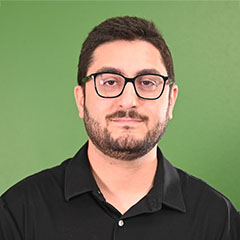 Discovery Park F295Office Hours:
Tue 1:00 - 3:00 pmFull-Time FacultyCourtesy FacultyBiomedical EngineeringComputer Science and EngineeringBioengineering and HealthSensorsFaculty Info | Website | Google Scholar |
Accordion
Heading
Content
Education
PhD, Washington State University, 2021Major: Computer EngineeringDissertation: Designing Resource Efficient Embedded Systems for Health Monitoring
B.S, Amirkabir University of Technology, 2014Major: Computer Engineering
Research
Dr. Pedram's research spans the fields of embedded systems, machine learning, and mobile health, focusing on developing real-time, wearable technology for health monitoring and behavior prediction. His work integrates intelligent sensors, data processing, and human-computer interaction to enhance understanding lifestyle habits and improve health outcomes. By designing and prototyping novel devices, Dr. Pedram seeks to create self-sustaining, user-friendly tools that empower individuals to manage health behaviors proactively. His multidisciplinary approach addresses critical areas like hydration, sun protection, diabetes management, and activity monitoring, utilizing advanced techniques in sensor fusion, machine learning, and privacy-preserving algorithms to provide real-time feedback and support for diverse populations, including older adults and high-risk individuals. He is interested in research in the following areas:
Embedded Systems
Health Informatics
Mobile Health (mHealth)
Smart Sensing Solutions
On-Device Processing
Power Optimization and Energy Harvesting